
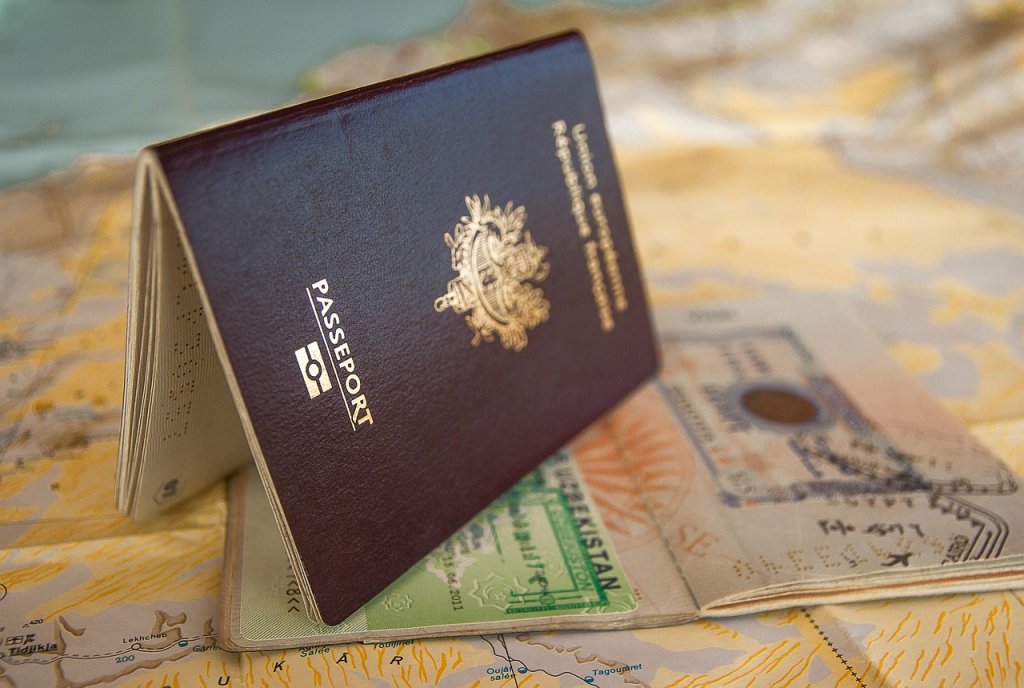
To engage in lawful employment activities in Korea, you must possess a visa that allows you to work. The visa you can apply for varies based on your nationality, experience, occupation, and the purpose of your employment, and each visa type has different qualification requirements and procedures. If you’re unsure which employment visa to choose from among the various options, please refer to the information below.
Professional Employment Visas (E-1 to E-7 Series)
Korea issues several types of professional employment visas. The E-1 Professor Visa is aimed at foreign professors who lecture at universities and educational institutions, allowing lectures at institutions offering regular university courses or above. The E-2 Teaching Visa is for native language teachers, such as those who teach English, Chinese, or Japanese, enabling them to conduct language lessons at academic institutions or schools. The E-3 Research Visa is suitable for researchers at research institutes and public institutions, specifically targeting those in technical and research roles. The E-4 Technical Instructor Visa is for technical instructors and specialists who can impart overseas technical knowledge to domestic companies. The E-5 Professional Visa caters to professionals like doctors, lawyers, and accountants, requiring the acquisition of domestic licenses and authorization. The E-6 Arts and Entertainment Visa is appropriate for entertainers, models, and artists, allowing activities in performances, broadcasts, and fashion shows. Lastly, the E-7 Special Activity Visa targets specialist workers and professionals in certain fields, enabling companies to invite necessary professionals, and includes a point-based system.
General Employment Visas (E-9, H-2)
For general employment opportunities, consider the E-9 Non-Professional Employment Visa. This visa focuses on unskilled workers, particularly those in industries facing labor shortages such as agriculture, manufacturing, and construction. Additionally, the H-2 Working Visit Visa is granted to nationals from certain countries among overseas Koreans, allowing them to work freely in specific sectors, predominantly targeted at nationals from China and CIS countries.
Job Seeking and Internship Visas
If you are looking to search for employment, the D-10 Job Seeking Visa is appropriate. This visa supports recent graduates from Korean universities and professionals to conduct job-seeking activities in Korea for a set period. Students at vocational or university levels might consider the D-4-7 Internship Visa to participate in practical training or internship programs in industries.
Long-Term Residency and Family-related Visas
For long-term residence with the intention to work, consider the F-2 Resident Visa. This visa permits long-term resident foreigners who meet certain conditions to work freely. The F-4 Overseas Korean Visa assists overseas Koreans and descendants of Korean heritage to engage in employment or run businesses across most professions. The F-5 Permanent Residence Visa is for long-term residents who enjoy almost the same employment opportunities as Korean nationals, being permanent residents. Foreigners married to Korean citizens can utilize the F-6 Marriage Immigrant Visa, which allows employment without restrictions.
Tips for Visa Changes and Employment Permits
Depending on the visa type, there might be industry restrictions or limitations on changing employers. Particularly, holders of student visas (D-2, D-4) require a part-time work permit to be eligible for work, and not adhering to this can result in disadvantages when seeking visa extensions. Furthermore, visa upgrades, such as from E-9 to E-7-4, are possible to transition to employment visas under better conditions when necessary.
Conclusion
For foreigners to legally work in Korea, selecting the right visa according to your circumstances and understanding the duration of stay, permitted occupations, and work conditions is crucial. For detailed information on required documents or procedures for visa applications, inquire at the Immigration Office (HiKorea) or the Korean Embassy/Consulate.
출처: 하이코리아 · 출입국·외국인정책본부
코모야는 정부 기관이 아니며, 정부와 제휴되어 있지 않습니다.